
Church in the Home!
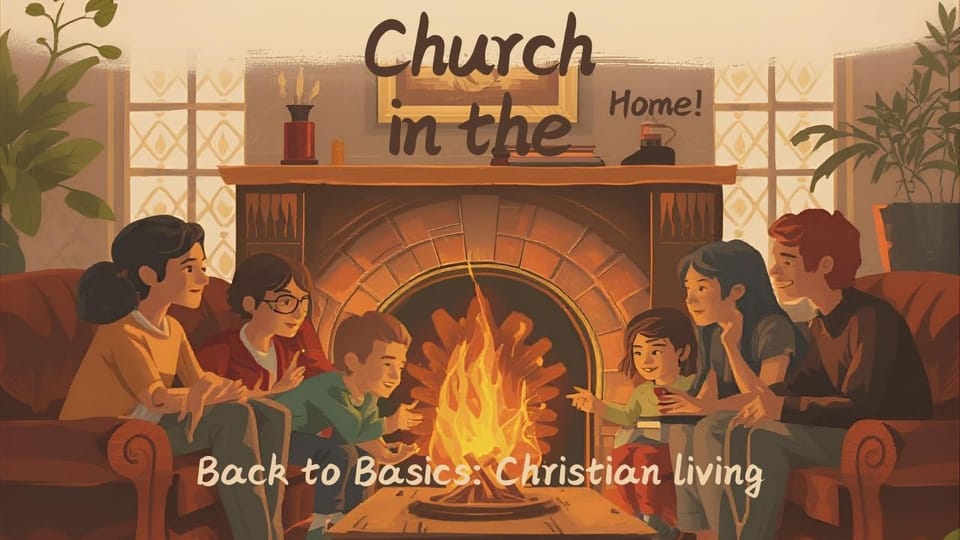
Building Deeper Relationships in the Body of Christ
The Christian faith has always been deeply rooted in community. From the earliest days of the Church, believers have understood that following Christ is not meant to be a solitary journey. The concept of "church in the home" reflects a vital truth that echoes throughout Scripture: genuine Christian fellowship happens not merely in grand cathedrals or formal services, but in the intimate, personal connections we forge with one another. Understanding the importance of connecting with fellow believers is essential to growing in faith and living out the Gospel message.
The Foundation of Christian Community
The early Church provides us with a beautiful picture of authentic Christian community. In the book of Acts, we read: "And they continued stedfastly in the apostles' doctrine and fellowship, and in breaking of bread, and in prayers" (Acts 2:42, KJV). This verse reveals four essential components of early Church life, with fellowship standing prominently amongst them. The Greek word for fellowship, "koinonia," speaks of a deep sharing of life together—not merely casual acquaintance, but genuine participation in one another's lives.
Furthermore, we read: "And they, continuing daily with one accord in the temple, and breaking bread from house to house, did eat their meat with gladness and singleness of heart" (Acts 2:46, KJV). Notice the phrase "from house to house." The early believers didn't limit their fellowship to formal gatherings; they opened their homes to one another, sharing meals and their lives in intimate settings. This home-centred fellowship created bonds that strengthened the entire community of faith.
Why Connection Matters
Scripture repeatedly emphasises that believers need one another. We are not designed to live our Christian lives in isolation. The writer of Hebrews admonishes: "Not forsaking the assembling of ourselves together, as the manner of some is; but exhorting one another: and so much the more, as ye see the day approaching" (Hebrews 10:25, KJV). This command isn't merely about attendance at religious services; it's about the vital necessity of gathering together, encouraging one another, and spurring each other on towards love and good works.
The Apostle Paul beautifully illustrates this interconnection through the metaphor of the body: "For as the body is one, and hath many members, and all the members of that one body, being many, are one body: so also is Christ" (1 Corinthians 12:12, KJV). Each member of the Church has a unique role, and we need every part functioning properly. When we isolate ourselves or fail to connect with our brothers and sisters in Christ, the entire body suffers.
Paul continues: "And the eye cannot say unto the hand, I have no need of thee: nor again the head to the feet, I have no need of you" (1 Corinthians 12:21, KJV). We cannot claim self-sufficiency in our Christian walk. We need the gifts, perspectives, encouragement, and sometimes the correction that other believers provide.
The Home as a Place of Ministry
Throughout the New Testament, homes served as vital centres for Christian fellowship and ministry. Paul frequently mentions house churches in his letters. He writes: "Salute Priscilla and Aquila my helpers in Christ Jesus... Likewise greet the church that is in their house" (Romans 16:3, 5, KJV). The home of Priscilla and Aquila became a place where believers gathered, studied Scripture, prayed together, and supported one another.
This pattern of hospitality reflects God's heart for His people. Peter instructs believers: "Use hospitality one to another without grudging" (1 Peter 4:9, KJV). Opening our homes isn't merely about social courtesy; it's a form of ministry that creates opportunities for deeper connection, mutual edification, and the bearing of one another's burdens.
Bearing One Another's Burdens
One of the most beautiful aspects of genuine Christian community is the way believers support each other through life's difficulties. Paul writes: "Bear ye one another's burdens, and so fulfil the law of Christ" (Galatians 6:2, KJV). This kind of burden-bearing requires intimacy and connection. When we truly know one another—when we've opened our homes and our lives to fellow believers—we become aware of the struggles others face and can offer meaningful support.
James reminds us: "Confess your faults one to another, and pray one for another, that ye may be healed" (James 5:16, KJV). Such vulnerability requires trust that is built through consistent, meaningful connection. Home fellowship provides a safe space where believers can be authentic about their struggles and receive the prayer, encouragement, and accountability they need.
Encouragement & Accountability
Scripture repeatedly emphasises our need for mutual encouragement. Paul writes: "Wherefore comfort yourselves together, and edify one another, even as also ye do" (1 Thessalonians 5:11, KJV). The word "edify" means to build up. When we connect with fellow believers, we have opportunities to speak words of life and truth that strengthen their faith and resolve.
Moreover, authentic Christian community provides accountability that helps us resist temptation and grow in holiness. Solomon wisely observed: "Iron sharpeneth iron; so a man sharpeneth the countenance of his friend" (Proverbs 27:17, KJV). This sharpening happens through honest conversations, gentle corrections, and mutual encouragement towards Christlikeness—interactions that flourish in the context of home fellowship.
Unity & Love as Our Witness
Jesus prayed that His followers would be characterised by unity: "That they all may be one; as thou, Father, art in me, and I in thee, that they also may be one in us: that the world may believe that thou hast sent me" (John 17:21, KJV). Our connection with one another serves as a powerful testimony to the watching world. When unbelievers see genuine love and unity amongst Christians, it validates the Gospel message we proclaim.
Jesus Himself declared: "By this shall all men know that ye are my disciples, if ye have love one to another" (John 13:35, KJV). Love isn't abstract; it's demonstrated through tangible actions—welcoming one another into our homes, sharing our resources, spending time together, and genuinely caring for one another's welfare.
Practical Application
How can we cultivate church in the home? It begins with intentionality. We must prioritise fellowship, making time in our busy schedules to connect with other believers. This might mean hosting a small group Bible study, inviting families over for meals, or simply creating space for meaningful conversations over coffee.
It also requires vulnerability. Authentic connection doesn't happen when we maintain carefully crafted facades. We must be willing to share our struggles, ask for prayer, and allow others to speak into our lives.
Finally, it demands commitment. Building genuine Christian community takes time and effort. It requires us to move beyond surface-level interactions to invest deeply in relationships with our brothers and sisters in Christ.
The importance of connecting with people in the church cannot be overstated. We are designed for community, called to fellowship, and commanded to love one another. Home fellowship provides a unique opportunity to build the kind of intimate, authentic relationships that strengthen our faith, support us through trials, and demonstrate Christ's love to a watching world. As we open our hearts and homes to fellow believers, we discover the richness of true Christian community and fulfil God's design for His Church…
Key Takeaways:
- Christian community is essential: Faith is not meant to be lived in isolation. Scripture repeatedly emphasises that believers need one another for encouragement, accountability, and spiritual growth.
- Home fellowship reflects early Church practice: The early Christians gathered "from house to house" (Acts 2:46 KJV), creating intimate bonds that strengthened the entire body of Christ.
- We are interconnected members of one body: As Paul teaches in 1 Corinthians 12 KJV, each believer has a unique role, and we cannot claim self-sufficiency—we need the gifts and perspectives that others provide.
- Hospitality is ministry: Opening our homes creates opportunities for deeper connection, mutual edification, and bearing one another's burdens (1 Peter 4:9 KJV, Galatians 6:2 KJV).
- Authentic connection requires vulnerability: True fellowship happens when we confess our faults to one another, pray for each other, and allow others to speak truth into our lives (James 5:16 KJV).
- Unity demonstrates the Gospel: Jesus prayed that believers would be one, so that the world may believe (John 17:21 KJV). Our love for one another serves as a powerful witness to unbelievers (John 13:35 KJV).
- Intentionality and commitment are required: Building genuine Christian community takes time, effort, and a willingness to move beyond surface-level interactions to invest deeply in relationships.