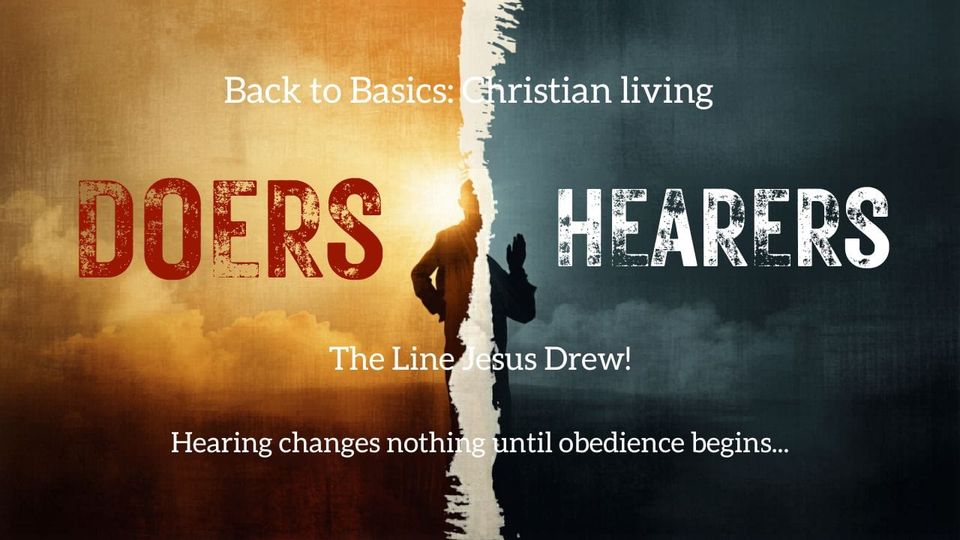
Doers or Hearers? The Line Jesus Drew
A line in the sand Jesus refused to draw
The world loves to draw lines. Black and white. Rich and poor. Left and right. Religious and secular. Believer and unbeliever. We sort ourselves into camps without even thinking about it — and we assume the line between saved and lost is the only one that matters.
But Jesus drew a different line.
Yes, He spoke about believing — He that believeth on the Son hath everlasting life [John 3:36 KJV]. Yes, He warned about unbelief. But when He stood on the mountain and finished the greatest sermon ever preached, He did not sort the crowd into believers and unbelievers. He sorted them into two other groups entirely — doers and hearers.
Therefore whosoever heareth these sayings of mine, and doeth them, I will liken him unto a wise man, which built his house upon a rock [Matthew 7:24 KJV].
And every one that heareth these sayings of mine, and doeth them not, shall be likened unto a foolish man, which built his house upon the sand [Matthew 7:26 KJV].
Two men. Same sermon. Same Saviour. Same words. One built on the rock. The other built on the sand. And the difference between them was not what they believed — it was what they did with what they heard.
The line we forget
We are quick to defend the line between believer and unbeliever, and rightly so. Salvation is a real, definite thing. A man is either born again or he is not. But once we cross that line, we settle. We think the work is done. We sit in the pews. We nod at the sermons. We underline our Bibles. We share the verse online. And we go home unchanged.
That is not what the Lord called us to.
James, the brother of our Lord, drives the nail home with no apology: But be ye doers of the word, and not hearers only, deceiving your own selves [James 1:22 KJV].
Read that again. Deceiving your own selves. It is possible to sit under the truth, agree with the truth, even love the truth — and still be deceived. Not by the devil. Not by false teachers. By ourselves. Because hearing without doing is the most religious form of self-deception there is.
Hearers feel holy. Doers are holy.
Hearing makes us feel something. A good sermon stirs the heart. A strong worship song lifts the soul. A solid devotional brings a tear to the eye. None of those things are wrong. But feelings are not fruit. Goosebumps are not godliness. Conviction without action is just another wasted Sunday.
The doer is the one who walks out of the meeting and forgives the brother who wronged him. The doer is the one who closes the laptop and stops the secret sin. The doer is the one who picks up the phone and rings the parent he has been avoiding. The doer is the one who shuts his mouth when gossip lands at his ear. The doer is the one who opens his Bible on a Tuesday, not just on a Sunday.
That ye might walk worthy of the Lord unto all pleasing, being fruitful in every good work, and increasing in the knowledge of God [Colossians 1:10 KJV]. That is not a poem. That is a command. That is the Christian's daily job description.
Two houses. One storm.
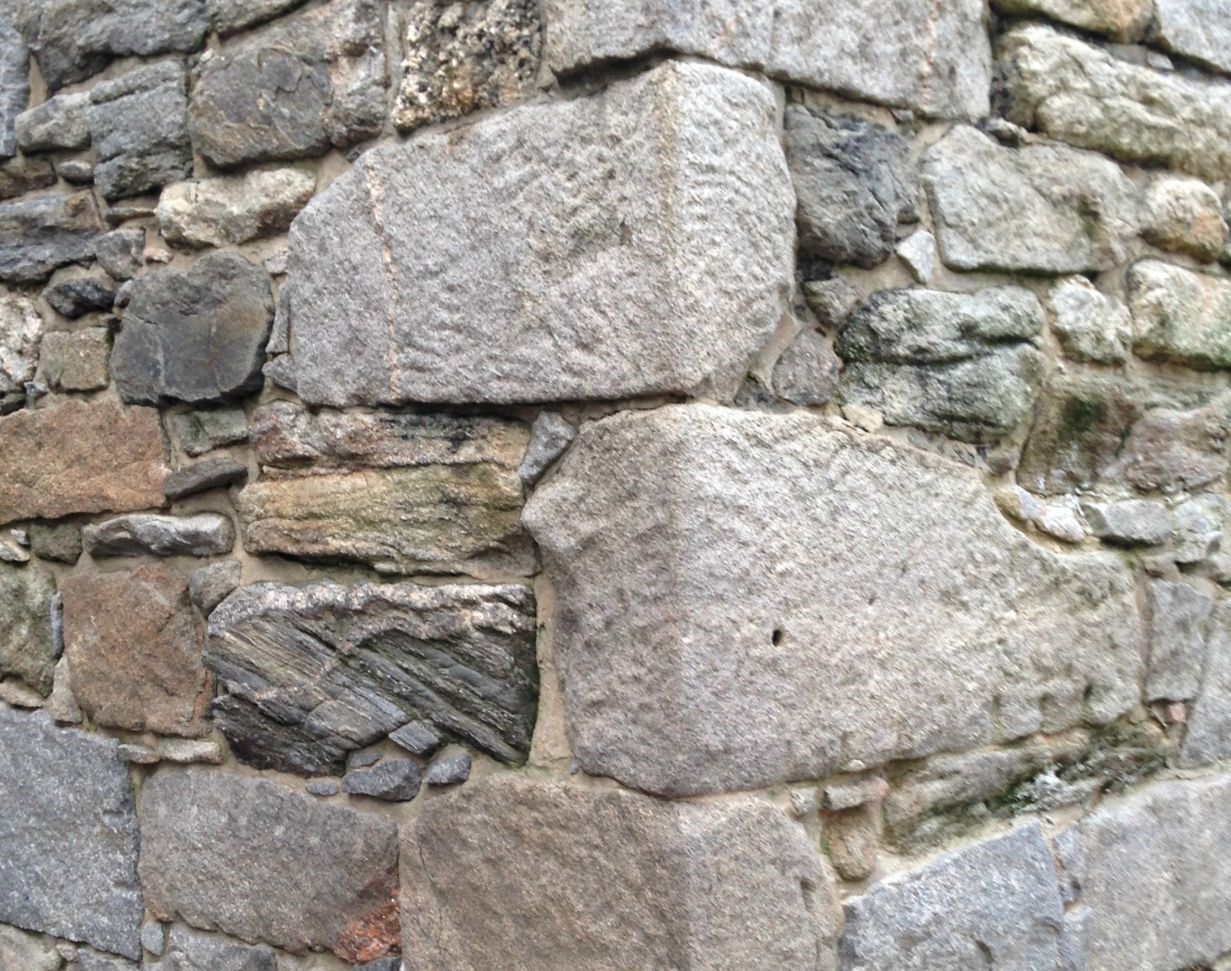
Notice what Jesus did not say. He did not say the wise man would have no storm. He did not say the foolish man would have no house. They both built. They both had walls. From the outside, on a sunny day, the two houses may have looked the same.
It is the storm that tells the truth.
And the rain descended, and the floods came, and the winds blew, and beat upon that house; and it fell not: for it was founded upon a rock [Matthew 7:25 KJV].
And the rain descended, and the floods came, and the winds blew, and beat upon that house; and it fell: and great was the fall of it [Matthew 7:27 KJV].
Storms come to every life. Bereavement. Sickness. Betrayal. Pressure. Doubt. The question is not whether the wind will blow — it will. The question is whether the house will still stand when it does. And the house only stands when the Word has been done, not merely heard.
You cannot bolt obedience on at the last minute. You build it in advance, brick by brick, day by day, by doing the Word today.
The diagnostic question
So how do we know which kind of hearer we are? James gives us the test. He compares the man who hears but does not do to a man who looks in a mirror and walks away, and straightway forgetteth what manner of man he was [James 1:24 KJV]. Seen the truth. Forgotten it before the front door.
A doer looks into the perfect law of liberty, sees what needs to change, and changes it. But whoso looketh into the perfect law of liberty, and continueth therein, he being not a forgetful hearer, but a doer of the work, this man shall be blessed in his deed [James 1:25 KJV].
Mark that. Blessed in his deed. Not in his thought. Not in his agreement. Not in his amen. In his deed.
So at the end of this teaching, do not ask yourself, "Did I enjoy that?" Ask yourself, "What did the Lord just put His finger on? And what am I going to do about it before this day is over?"
The line you live on
The world sees believers and unbelievers. Jesus sees doers and hearers. One of those lines decides where you spend eternity. The other decides whether your life on the way there counts for anything at all.
Do not settle for the first line. Cross the second one too.
Be a doer…
Key Takeaways:
- Jesus drew a sharper line than the world does — [Matthew 7:24 KJV]
- Hearing without doing is self-deception — [James 1:22 KJV]
- Two houses can look the same until the storm — [Matthew 7:25 KJV]
- The blessing follows the deed, not the thought — [James 1:25 KJV]
- Walking worthy and bearing fruit is the daily call — [Colossians 1:10 KJV]
Find us everywhere — 🌐 Blog: back-to-basics-christian-living.ghost.io · ▶️ YouTube: youtube.com/@backtobasicschristianliving · 📱 Socials: linktr.ee/backtobasicschristianliving