From Debate to Doing: Why Doctrine Must Be Lived, Not Just Argued
The Measure of True Doctrine: Does It Transform Lives?
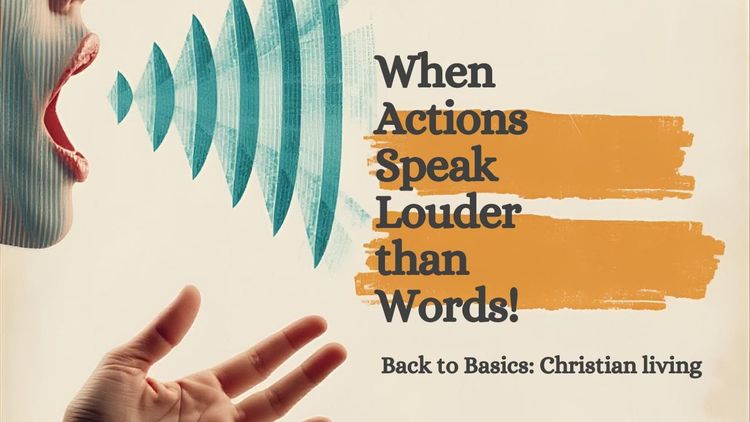
There's a problem plaguing the modern Church, and it's not the world's opposition or even the rise of false teaching. It's something far more insidious: the endless, exhausting debate over words, doctrines, and theological positions that never seem to translate into the actual living of the Christian life. We've become experts at dissecting Scripture, arguing over Greek and Hebrew nuances, and building theological castles in the air—but somewhere along the way, we've forgotten that the Gospel was meant to be lived, not just discussed.
Paul's Warning Against Empty Debate
The Apostle Paul warned Timothy about this very thing: "If any man teach otherwise, and consent not to wholesome words, even the words of our Lord Jesus Christ, and to the doctrine which is according to godliness; He is proud, knowing nothing, but doting about questions and strifes of words, whereof cometh envy, strife, railings, evil surmisings" (1 Timothy 6:3-4 KJV). Notice what Paul says here—doctrine that doesn't lead to godliness is worthless. If your theology doesn't result in a transformed life, then it's not the doctrine of Christ; it's just intellectual noise.
The Litmus Test: Can You Live It?
Here's the litmus test: if you can't put a doctrine into practice, then the doctrine is wrong. Full stop. It doesn't matter how eloquently it's argued, how many ancient scholars support it, or how internally consistent it appears on paper. If it doesn't work in the real world—if it doesn't produce obedience, holiness, love, and the fruit of the Spirit—then it's not biblical doctrine. It's speculation at best, and deception at worst.
Doers, Not Just Hearers
James was even more blunt about this issue: "But be ye doers of the word, and not hearers only, deceiving your own selves" (James 1:22 KJV). The deception isn't just that we're failing to obey; it's that we've convinced ourselves that hearing, studying, and debating the Word is somehow a substitute for actually doing it. We sit in Bible studies, attend conferences, listen to sermons, and engage in heated online debates—all whilst our lives remain virtually unchanged.
Jesus Himself made it clear that the proof of genuine discipleship is not in our knowledge but in our obedience: "If ye love me, keep my commandments" (John 14:15 KJV). Not "if you love me, attend seminary" or "if you love me, win every theological argument." The measure of our love for Christ is whether or not we actually do what He says.
Debate as a Substitute for Transformation
The problem with endless doctrinal debate is that it often becomes a substitute for genuine spiritual transformation. It's easier to argue about predestination, spiritual gifts, or end-times theology than it is to forgive the person who wronged you, to love your enemy, or to give sacrificially to those in need. It's easier to dissect Romans 9 than it is to live out Romans 12. We've become a Church of scholars rather than a Church of disciples.
Paul told the Corinthians, "And I, brethren, could not speak unto you as unto spiritual, but as unto carnal, even as unto babes in Christ. I have fed you with milk, and not with meat: for hitherto ye were not able to bear it, neither yet now are ye able" (1 Corinthians 3:1-2 KJV). Why weren't they ready for deeper teaching? Because they were still living in carnality, strife, and division. Doctrine that doesn't produce spiritual maturity is pointless. If you're still walking in jealousy, pride, and quarrelling, then all your theological knowledge is just noise.
True Doctrine Produces Fruit
The reality is that true doctrine always produces fruit. Jesus said, "Ye shall know them by their fruits" (Matthew 7:16 KJV). This applies not just to people but to teachings as well. If a doctrine produces pride, division, and inaction, then it's not from God. If it produces humility, unity, and obedience, then it bears the mark of the Holy Spirit.
The Example of the Early Church
Consider the early Church in the book of Acts. They didn't have systematic theology textbooks, seminary degrees, or denominational statements of faith. What they had was the testimony of the apostles and the empowering presence of the Holy Spirit. And what did they do? They shared everything in common, cared for the poor, healed the sick, and turned the world upside down. Their doctrine was inseparable from their practice. They didn't just know the truth; they lived it.
Contrast that with today's Church, where we can recite the doctrines of grace but struggle to show grace to our brother. We can defend the inerrancy of Scripture but ignore its clear commands about loving our neighbour, pursuing holiness, and making disciples. We've divorced belief from behaviour, and in doing so, we've created a form of godliness that denies its power (2 Timothy 3:5 KJV).
Theology Must Transform Daily Life
Here's the uncomfortable truth: if your theology doesn't translate into how you treat your spouse, how you spend your money, how you use your time, and how you respond to injustice, then your theology is deficient. If it doesn't make you more like Christ in your daily life, then it's not the doctrine of Christ—it's the doctrine of men.
Paul instructed Titus, "In all things shewing thyself a pattern of good works: in doctrine shewing uncorruptness, gravity, sincerity" (Titus 2:7 KJV). Notice the order: good works and sound doctrine. They're not opposed; they're inseparable. Doctrine without works is dead, just as faith without works is dead (James 2:17 KJV).
The Pharisees: A Warning
This is why Jesus was so hard on the Pharisees. They had impeccable theology—they knew the Law inside and out. But they didn't live it. Jesus said to them, "Woe unto you, scribes and Pharisees, hypocrites! for ye pay tithe of mint and anise and cummin, and have omitted the weightier matters of the law, judgment, mercy, and faith: these ought ye to have done, and not to leave the other undone" (Matthew 23:23 KJV). They were meticulous about minor doctrinal points but neglected justice, mercy, and faithfulness. Sound familiar?
A Return to Practical Faith
The Church today desperately needs to return to a faith that is practical. Not superficial or watered down, but grounded in the Word and expressed through obedience. We need Christians who don't just know what the Bible says about love but who actually love. We need believers who don't just affirm the doctrine of forgiveness but who actually forgive. We need disciples who don't just debate the Great Commission but who actually go and make disciples.
Paul's instruction to Timothy is as relevant now as it was then: "But refuse profane and old wives' fables, and exercise thyself rather unto godliness. For bodily exercise profiteth little: but godliness is profitable unto all things, having promise of the life that now is, and of that which is to come" (1 Timothy 4:7-8 KJV). Stop wasting time on fruitless debates and instead train yourself in godliness. Doctrine is meant to lead to godliness, not to pride or division.
The Challenge: Put Doctrine into Practice
So here's the challenge: take your doctrine and put it into practice. If you believe in grace, show grace. If you believe in mercy, be merciful. If you believe in the sufficiency of Scripture, obey it. If you can't do that—if your doctrine doesn't translate into a transformed life—then it's time to re-examine what you believe. Because true doctrine always produces true discipleship. And if it doesn't, then it's not the doctrine of Christ. It's just another conversation that leads nowhere.
Let's stop arguing about the Word and start living it. That's the call of the Gospel. That's the mark of a true disciple. And that's the only doctrine worth holding onto…
Key Takeaways:
- Doctrine must lead to godliness: If teaching doesn't produce transformation, it's worthless intellectual noise (1 Timothy 6:3-4 KJV)
- The litmus test of truth: If you can't live a doctrine in practice, then the doctrine is wrong—biblical truth always produces obedience and holiness
- Be doers, not just hearers: Studying and debating Scripture without obeying it is self-deception (James 1:22 KJV)
- Obedience proves love: The measure of our love for Christ is keeping His commandments, not winning theological arguments (John 14:15 KJV)
- Debate can substitute for transformation: It's easier to argue theology than to forgive, love enemies, or give sacrificially—easier to dissect Romans 9 than live Romans 12
- Spiritual maturity requires practice: Doctrine without life transformation is pointless—if you're still walking in pride and strife, your knowledge is just noise (1 Corinthians 3:1-2 KJV)
- True doctrine produces fruit: You shall know teachings by their fruits—if doctrine produces pride and division, it's not from God (Matthew 7:16 KJV)
- The early Church lived their doctrine: They didn't just know truth—they shared everything, cared for the poor, healed the sick, and turned the world upside down
- Theology must transform daily life: If your doctrine doesn't affect how you treat your spouse, spend money, use time, and respond to injustice, it's deficient
- Good works and sound doctrine are inseparable: Doctrine without works is dead, just as faith without works is dead (Titus 2:7 KJV; James 2:17 KJV)
- Beware of Pharisee-like religion: Meticulous about minor doctrinal points whilst neglecting justice, mercy, and faithfulness (Matthew 23:23 KJV)
- Train yourself in godliness: Stop wasting time on fruitless debates and instead exercise yourself unto godliness (1 Timothy 4:7-8 KJV)
- Put doctrine into practice: If you believe in grace, show grace; if you believe in mercy, be merciful; if you believe in Scripture's sufficiency, obey it
- True doctrine produces true discipleship: Stop arguing about the Word and start living it—that's the call of the Gospel and the mark of a genuine disciple