The Danger of False Prophets: When Soul-Driven Men Mislead the Church
Recognising the Counterfeit: How to Spot Soul-Driven Prophecy
The modern church faces a serious and growing problem: men operating under the guise of prophecy who are, in reality, driven not by the Spirit of God but by their own souls. These individuals approach believers with the seemingly spiritual phrase, "I have a word for you!" Yet when examined closely, their messages reveal themselves to be generic rehashes of Old Testament promises, empty proclamations built on hearsay and gossip, and predictions that never come to pass. This isn't just misguided enthusiasm—it's sinful, misleading, and deeply damaging to the body of Christ.
The Biblical Standard for Prophecy
Scripture is clear about the nature of true prophecy and equally clear about the dangers of false prophecy. The Apostle Paul instructs us, "Quench not the Spirit. Despise not prophesyings. Prove all things; hold fast that which is good" (1 Thessalonians 5:19-21 KJV). Notice the command to "prove all things"—we are not to accept every prophetic utterance blindly. We must test it against the Word of God and the fruit it produces.
The Old Testament established a devastating standard for false prophets: "But the prophet, which shall presume to speak a word in my name, which I have not commanded him to speak, or that shall speak in the name of other gods, even that prophet shall die. And if thou say in thine heart, How shall we know the word which the LORD hath not spoken? When a prophet speaketh in the name of the LORD, if the thing follow not, nor come to pass, that is the thing which the LORD hath not spoken, but the prophet hath spoken it presumptuously: thou shalt not be afraid of him" (Deuteronomy 18:20-22 KJV). If a prophecy doesn't come to pass, it didn't come from God. Full stop.
Soul-Driven vs Spirit-Led
There's a fundamental difference between operating from the soul and being led by the Spirit. The soul encompasses our mind, will, and emotions—the natural realm of human understanding. Whilst these faculties are God-given, they are not the source of divine revelation. True prophecy flows from the Spirit of God dwelling within the believer, not from human imagination or emotional impulses.
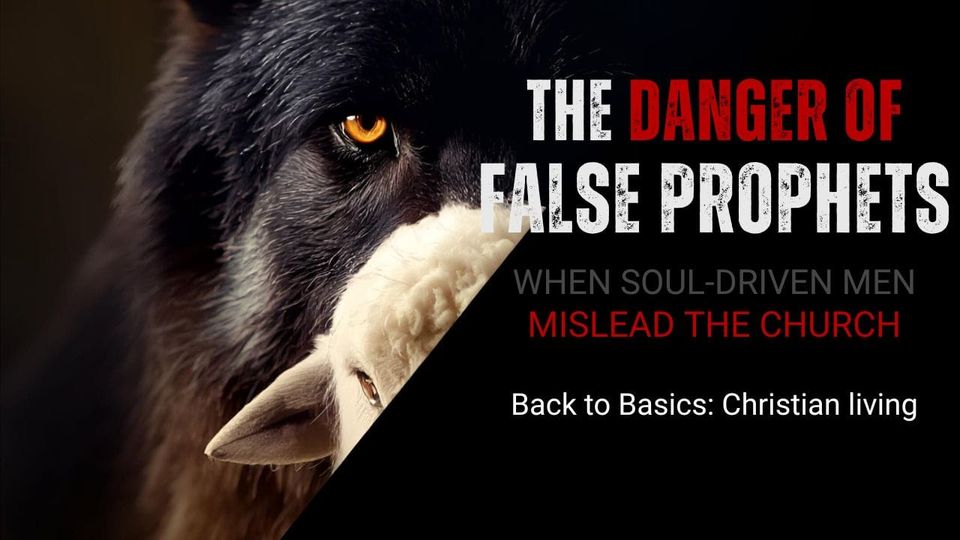
Jesus warned us about this very danger: "Beware of false prophets, which come to you in sheep's clothing, but inwardly they are ravening wolves. Ye shall know them by their fruits" (Matthew 7:15-16 KJV). These individuals disguise themselves as spiritual shepherds, yet their ministry produces no lasting fruit, no genuine transformation, and no fulfilment of their predictions. They are wolves in sheep's clothing, and tragically, the church often tolerates them.
The Problem of Generic Messages
One hallmark of false prophecy is its generic nature. These so-called prophets pull vague promises from the Old Testament—blessings, increase, breakthrough—and apply them indiscriminately to everyone they encounter. There's no specificity, no genuine revelation, nothing that demonstrates the intimate knowledge God has of each individual. It's spiritual fortune-telling dressed in biblical language.
Compare this to genuine prophetic ministry in Scripture. When the prophet Nathan confronted David, he didn't speak in generalities. He said, "Thou art the man" (2 Samuel 12:7 KJV), delivering a specific word for a specific situation. When Agabus prophesied to Paul, he didn't speak vaguely about "coming trials." He specifically stated, "Thus saith the Holy Ghost, So shall the Jews at Jerusalem bind the man that owneth this girdle, and shall deliver him into the hands of the Gentiles" (Acts 21:11 KJV). True prophecy is specific, accurate, and serves a divine purpose.
Built on Hearsay & Gossip
Even more troubling is when these prophetic messages are clearly based on information gathered through gossip and observation rather than divine revelation. Someone mentions a struggle in conversation, and suddenly the "prophet" has "a word from the Lord" about that very issue. This isn't prophecy—it's manipulation disguised as spirituality.
The Scripture warns us, "A talebearer revealeth secrets: but he that is of a faithful spirit concealeth the matter" (Proverbs 11:13 KJV). When prophetic ministry becomes entangled with gossip, it ceases to be of God. The Holy Spirit doesn't need second-hand information to reveal truth; He is omniscient and works directly in the hearts of those He indwells.
The Damage to the Church
The tolerance of false prophetic ministry inflicts serious damage on the church.
First, it misleads individual believers, creating false hope and misdirecting their lives based on words that never originated with God. People make major decisions—relocating, changing careers, entering relationships—based on prophetic words that were nothing more than the imaginations of men's souls.
Second, it brings the genuine gift of prophecy into disrepute. When prophecies consistently fail to materialise, people become cynical about all prophetic ministry, including the legitimate operation of this gift that Paul specifically encourages us to desire: "Follow after charity, and desire spiritual gifts, but rather that ye may prophesy" (1 Corinthians 14:1 KJV).
Third, it represents a form of spiritual abuse. Those who speak presumptuously in God's name take His name in vain, violating the third commandment: "Thou shalt not take the name of the LORD thy God in vain; for the LORD will not hold him guiltless that taketh his name in vain" (Exodus 20:7 KJV).
The Blind Leading the Blind
Jesus described this very scenario when He said, "Let them alone: they be blind leaders of the blind. And if the blind lead the blind, both shall fall into the ditch" (Matthew 15:14 KJV). When false prophets operate unchecked in the church, and when congregations follow them without discernment, both are heading for destruction.
The responsibility lies not only with the false prophets themselves but also with those who receive their messages without testing them. We're commanded to "try the spirits whether they are of God: because many false prophets are gone out into the world" (1 John 4:1 KJV). Christians who should know better, who have access to God's Word and the indwelling Holy Spirit, bear responsibility when they're taken in by falsehood.
The Call to Discernment
The solution isn't to reject all prophetic ministry—that would be throwing out the baby with the bathwater. Rather, we must return to biblical discernment. Paul wrote, "Let the prophets speak two or three, and let the other judge" (1 Corinthians 14:29 KJV). Prophetic utterances are meant to be evaluated, tested, and judged by the church.
We must ask: Does this align with Scripture? Does it produce godly fruit? Does it come to pass? Does it edify the church? If the answer to any of these is no, we must reject it, regardless of how spiritual the messenger appears or how confident their delivery.
It's time for the church to stop tolerating pathetic imitations of prophetic ministry and to demand the genuine article. We must call out false prophets for what they are: wolves in sheep's clothing, operating from their souls rather than God's Spirit, speaking presumptuously in the Lord's name, and leading people astray.
The stakes are too high to remain silent. As Jeremiah declared, "The prophets prophesy falsely, and the priests bear rule by their means; and my people love to have it so: and what will ye do in the end thereof?" (Jeremiah 5:31 KJV). What indeed? The time for tolerance of falsehood has passed. We must return to truth, test all things, hold fast to what is good, and protect the flock from those who would mislead them under the guise of spirituality…
Key Takeaways:
- Test all prophetic words against Scripture – Paul commands us to "prove all things; hold fast that which is good" (1 Thessalonians 5:21 KJV). Never accept prophetic utterances without biblical examination.
- True prophecy is specific, not generic – Genuine prophetic ministry demonstrates intimate divine knowledge, as seen when Nathan told David, "Thou art the man" (2 Samuel 12:7 KJV), not vague generalisations.
- Unfulfilled prophecy reveals false prophets – God's standard is clear: "When a prophet speaketh in the name of the LORD, if the thing follow not, nor come to pass, that is the thing which the LORD hath not spoken" (Deuteronomy 18:22 KJV).
- Soul-driven prophecy differs from Spirit-led revelation – True prophecy flows from the Holy Spirit, not from human imagination, emotions, or information gathered through gossip and observation.
- False prophets damage the church threefold – They mislead individual believers, bring genuine prophetic ministry into disrepute, and constitute spiritual abuse by taking God's name in vain (Exodus 20:7 KJV).
- Discernment is every believer's responsibility – We must "try the spirits whether they are of God: because many false prophets are gone out into the world" (1 John 4:1 KJV), evaluating prophetic words by their fruit and alignment with Scripture.
- Jesus warned us to recognise false prophets by their fruit – "Beware of false prophets, which come to you in sheep's clothing, but inwardly they are ravening wolves. Ye shall know them by their fruits" (Matthew 7:15-16 KJV).
- The church must not tolerate falsehood – As Jeremiah asked, "The prophets prophesy falsely... and my people love to have it so: and what will ye do in the end thereof?" (Jeremiah 5:31 KJV). We must demand truth and protect the flock from deception.