The Dangerous Cult of the Prophetic in the Modern Church!
A Call to Biblical Discernment & Truth
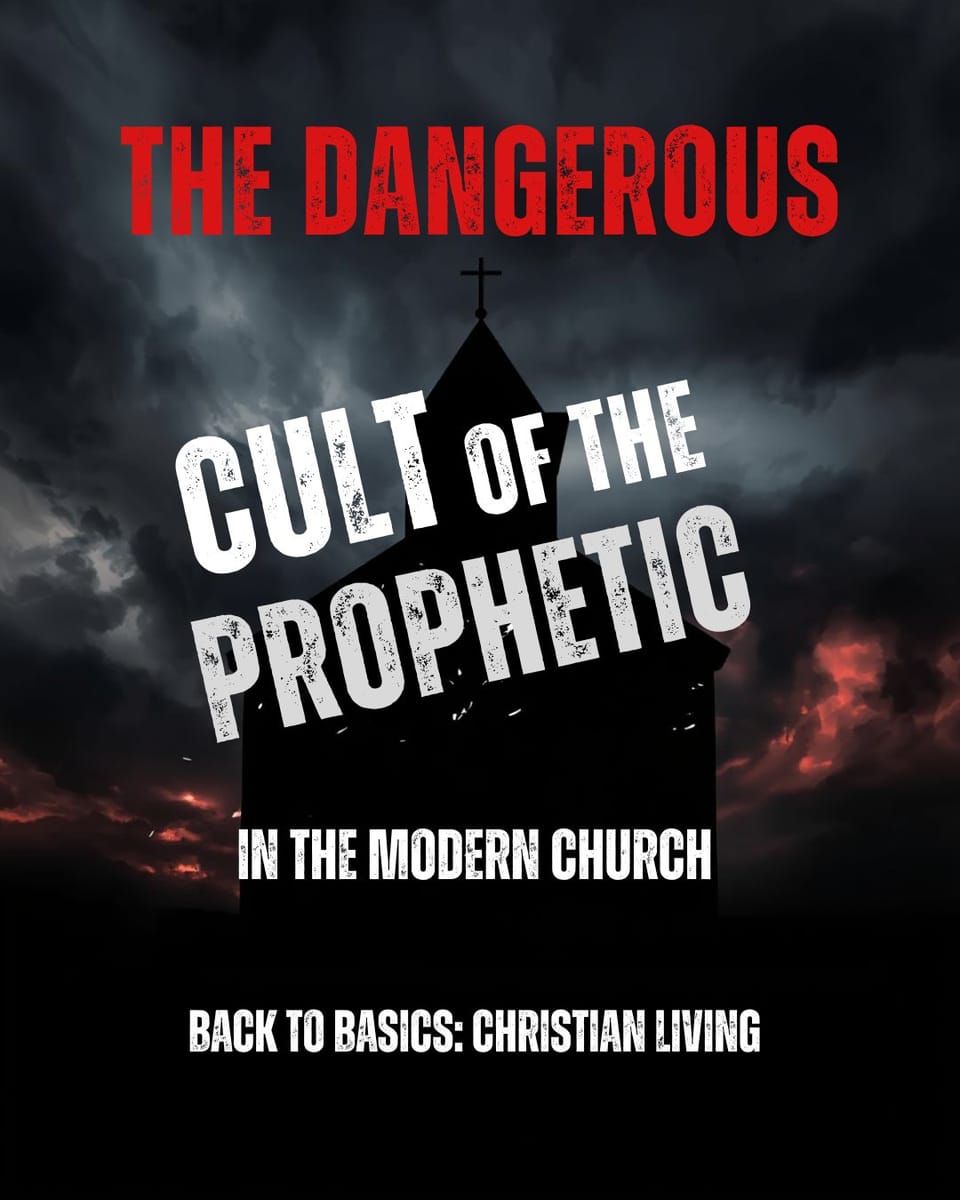
The modern church faces a perilous drift towards what can only be described as a cult of the prophetic—a movement that has strayed far from biblical foundations and embraced a soul-driven counterfeit of true prophecy. This phenomenon, characterised by self-appointed prophets, sensational predictions, and an obsession with personal revelation, has led many believers astray from the simplicity and truth of God's Word.
The Biblical Standard of Prophecy
True biblical prophecy has always been anchored in God's sovereignty and His inspired Word. The Apostle Peter reminds us, "Knowing this first, that no prophecy of the scripture is of any private interpretation. For the prophecy came not in old time by the will of man: but holy men of God spake as they were moved by the Holy Ghost" (2 Peter 1:20-21, KJV). Genuine prophecy originates not from human ambition or imagination but from the Holy Spirit moving through consecrated vessels.
Furthermore, Scripture provides clear warnings about false prophets. Jesus Himself cautioned, "Beware of false prophets, which come to you in sheep's clothing, but inwardly they are ravening wolves" (Matthew 7:15, KJV). These false prophets infiltrate the church with deceptive messages that appeal to fleshly desires rather than pointing people towards holiness and obedience to God.
The Soul-Driven Counterfeit
What distinguishes the modern prophetic movement from biblical prophecy is its source—the soul rather than the Spirit. The soul encompasses our emotions, intellect, and will, and when these faculties operate independently of the Holy Spirit's guidance, they produce a dangerous counterfeit. This soul-driven prophecy often manifests through emotional manipulation, self-promotion, and prophecies tailored to tickle the ears of listeners rather than convict hearts.
The Apostle Paul warned Timothy about this very phenomenon: "For the time will come when they will not endure sound doctrine; but after their own lusts shall they heap to themselves teachers, having itching ears; And they shall turn away their ears from the truth, and shall be turned unto fables" (2 Timothy 4:3-4, KJV). Today's prophetic culture frequently prioritises personal prosperity, comfort, and success over the call to holiness, repentance, and cross-bearing discipleship.
Characteristics of the Counterfeit
This dangerous movement exhibits several tell tale signs;
Firstly, it places prophetic utterances on par with—or even above—Scripture itself. However, the Bible is clear: "To the law and to the testimony: if they speak not according to this word, it is because there is no light in them" (Isaiah 8:20, KJV). Any prophecy that contradicts or supersedes God's written Word must be rejected.
Secondly, these false prophets often focus on sensational predictions about political events, natural disasters, or personal fortunes, creating a following built on entertainment rather than edification. Yet Paul instructs, "But he that prophesieth speaketh unto men to edification, and exhortation, and comfort" (1 Corinthians 14:3, KJV). True prophecy builds up the body of Christ in holiness, not in worldly speculation.
Thirdly, when prophecies fail to materialise, excuses abound rather than the biblical response of acknowledging false prophecy. Moses established the standard: "When a prophet speaketh in the name of the LORD, if the thing follow not, nor come to pass, that is the thing which the LORD hath not spoken, but the prophet hath spoken it presumptuously: thou shalt not be afraid of him" (Deuteronomy 18:22, KJV).
The Spiritual Danger
This counterfeit prophetic movement poses severe spiritual dangers to believers. It cultivates an unhealthy dependence on prophetic words rather than on Scripture and personal relationship with God through prayer and study. It creates spiritual pride amongst those who claim special revelation whilst fostering immaturity in those who constantly seek prophetic direction for every decision.
Moreover, it opens doors to demonic deception. Paul warns, "But though we, or an angel from heaven, preach any other gospel unto you than that which we have preached unto you, let him be accursed" (Galatians 1:8, KJV). When believers accept prophecies without testing them against Scripture, they become vulnerable to doctrines of devils disguised as divine revelation.
The Call to Discernment
Believers must exercise biblical discernment in this hour. John instructs, "Beloved, believe not every spirit, but try the spirits whether they are of God: because many false prophets are gone out into the world" (1 John 4:1, KJV). We must test every prophetic utterance against the unchanging standard of God's Word.
True spiritual maturity involves knowing Scripture thoroughly enough to recognise counterfeits. The Bereans were commended because "they received the word with all readiness of mind, and searched the scriptures daily, whether those things were so" (Acts 17:11, KJV). This same diligence must characterise our response to modern prophetic claims.
Returning to Biblical Truth
The remedy for this dangerous movement is a return to the sufficiency of Scripture and the proper functioning of genuine spiritual gifts within biblical boundaries. Paul's instructions remain relevant: "Let the prophets speak two or three, and let the other judge" (1 Corinthians 14:29, KJV). Prophecy must be subject to the discernment of mature believers and the authority of God's Word.
Furthermore, we must remember that "All scripture is given by inspiration of God, and is profitable for doctrine, for reproof, for correction, for instruction in righteousness: That the man of God may be perfect, throughly furnished unto all good works" (2 Timothy 3:16-17, KJV). Scripture alone provides everything necessary for Christian life and godliness.
The cult of the prophetic in the modern church represents a clear and present danger to biblical Christianity. Its soul-driven counterfeits, sensationalism, and departure from scriptural authority must be recognised and rejected. Believers must return to the solid foundation of God's Word, exercise discernment, and pursue genuine intimacy with God through His revealed truth rather than chasing after prophetic novelties.
As we navigate these challenging times, let us heed Paul's exhortation: "Prove all things; hold fast that which is good" (1 Thessalonians 5:21, KJV). Only by anchoring ourselves in Scripture and allowing the Holy Spirit to guide us through God's Word can we avoid the deception of counterfeit prophecy and walk in the true light of Christ…
Key Takeaways:
- Biblical prophecy originates from the Holy Spirit, not human will or imagination, and must align with Scripture.
- Modern prophetic movements often operate from the soul (emotions, intellect, will) rather than the Spirit, creating dangerous counterfeits.
- False prophecy prioritises personal prosperity and comfort over holiness, repentance, and discipleship.
- Warning signs include: placing prophetic utterances above Scripture, focusing on sensational predictions, and making excuses when prophecies fail.
- Test every prophetic word against Scripture — believers must exercise discernment and not accept prophecies without biblical verification.
- Scripture is sufficient for Christian life and godliness; we don't need constant prophetic direction.
- The remedy is returning to biblical foundations: the authority of God's Word, proper functioning of spiritual gifts within biblical boundaries, and genuine intimacy with God through Scripture.